Are we near a bubble?
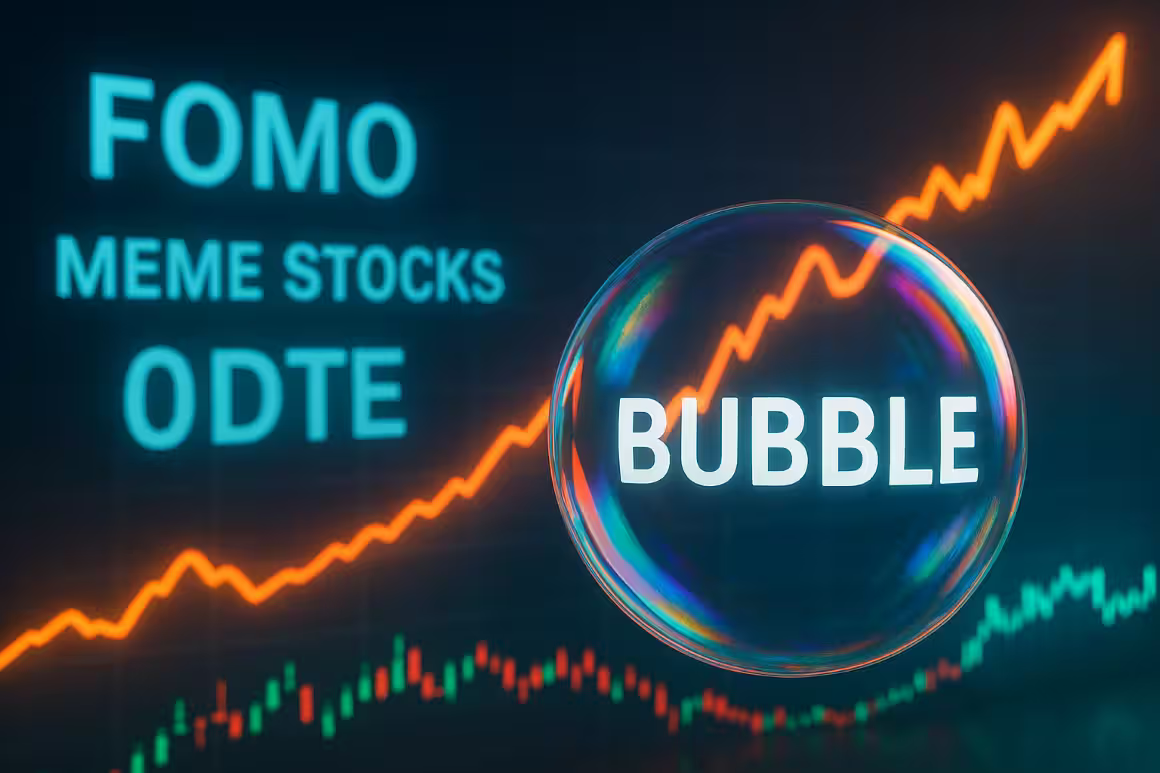
That is the big question today as the financial markets today feel eerily familiar to past moments of speculation. Not only has there been a big rise in the use of zero-day options (0DTE), but there has also been considerable traffic with meme stocks that defy fundamentals. Many are speculating that this might be pointing toward a market bubble.
Our guide will be exploring the psychology of FOMO (fear of missing out), the cult-like rallies of meme stocks, and the growing interest that obsessed traders are having with 0DTE options. We will be trying to assess if the current environment is sustainable—or primed for a painful unwind.
What Defines a Market Bubble?
A market bubble is defined as an occurrence when the asset prices rise far beyond their intrinsic value, and it is largely driven by herd behavior and speculation instead of driven by fundamentals. You can count on there being several characteristics present when a market bubble occurs:
- High Optimism and Euphoric Buying—The traders believe that the price is going to continue to go up with no end in sight
- Leveraged Speculation—Traders tend to use a lot of borrowed money and complex products, which brings the risk levels up.
- Excessive Speculation—Traders begin to deal with certain assets and investments with reckless abandon, and they aren’t super concerned about the fundamentals involved.
If you’re looking at this from a historical perspective, you have instances in the past where bubbles caught traders off guard and resulted in them losing a lot of their money. It was all due to hyped up investments where the intrinsic value wasn’t in line with the fundamentals. These instances include the Dot-Com Bubble (1999–2000), the Housing Bubble (2006–2008), and the Crypto Mania (2017 & 2021).
The important thing to note is that today’s market is quite similar to the environments that were present leading up to these bubble bursts. In each case, retail participation, easy money, and the allure of quick gains created the perfect storm for inflated valuations. You can see some of the bubble signs in things like 0DTE options contracts, which brings many to speculate if the current context is the same as these past examples.
The Psychology of FOMO in Trading
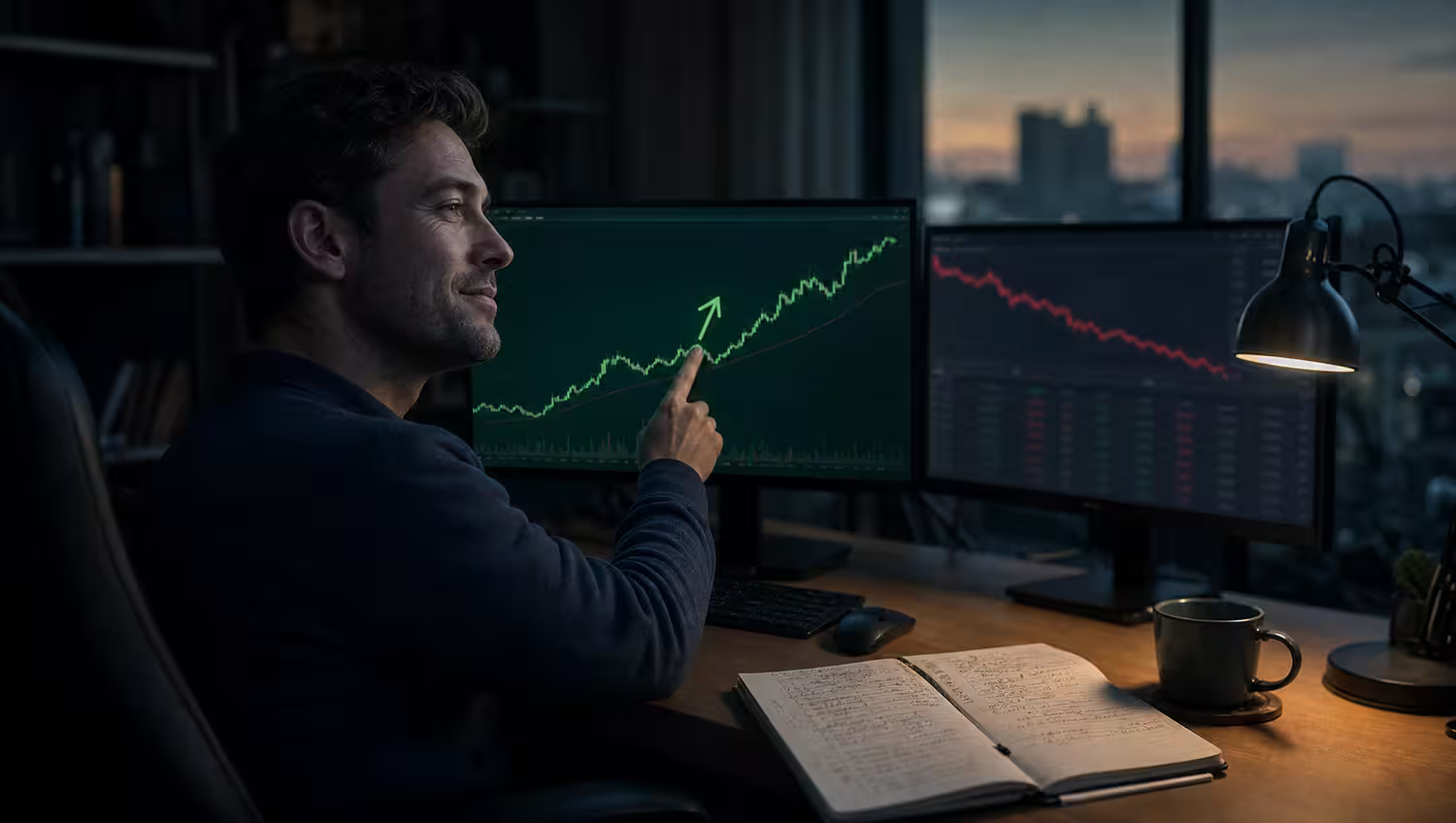
In today’s world, social media and trading forums amplify hype. This had led FOMO (fear of missing out) to become a defining feature of modern trading culture. Retail traders who are well aware of this downside of modern trading are doing a constant juggling act of chasing momentum while also attempting disciplined investing practices.

The difficulty in all this is that social media platforms like TikTok, Reddit, and X (formerly Twitter) amplify hype cycles. What this results in is traders being convinced that missing out on the next rally means losing status or opportunity, which couldn’t be any further from the truth.
Some of the downsides to FOMO psychology in modern-day options trading include the following:
- Chasing Momentum: Many buy because “everyone else is doing it,” not because of deep analysis.
- The YOLO Mindset: Options trades, especially short-dated calls, have become lottery tickets for retail traders.
- Narratives Become Amplified Over Sound Risk Management: Stories of overnight millionaires spread rapidly, fueling the cycle. The focus becomes less on prioritizing risk management and more about hopping onto momentum and chasing hype.
The GameStop and AMC rallies in 2021 showed how collective retail action, powered by FOMO and online communities, could defy Wall Street expectations—at least temporarily.
Meme Stocks—Cult Investing or Classic Bubble?
Modern bubble-like behavior can best be seen in meme stocks, where traders are simply investing in certain companies due to hype on social media. It has nothing to do with the company’s viability or its fundamentals. A few good examples include companies like GameStop, AMC, and Bed Bath & Beyond, which saw overnight gains that were quite explosive, but they were tied to retail enthusiasm.
Where did that enthusiasm come from? Enter the role of online communities like Reddit’s WallStreetBets. It was this particular community that became the central hub for collective momentum trading, but none of it in any way was tied to any of these companies’ fundamentals.
Cult Investing and Gamma Squeezes
These two concepts go hand in hand when it comes to meme stocks. Cult investing happens when traders treat certain stocks like movements and not investments. This contributes to meme stocks bubbling. Options volume (especially calls) turbocharges meme stock rallies. Call buying forces markets to hedge, and this results in a gamma squeeze.
The sad thing about meme stock investing is that it does create wealth for some traders, but the bulk of people who embrace this form of online investing will incur heavy losses when the meme stock rallies inevitably collapse. Meme stocks are a phenomenon that closely mirrors the dynamics of a market bubble, including events like rapid ascents in “value” and accompanied by sharp crashes when the hype falls apart.
The Rise of 0DTE Options (Zero-Day-to-Expiration)
There has been a high demand and a big push for option contracts that expire the same day that they’re traded—this is made possible by 0DTE options, and they have experienced a significant uptick in popularity in recent years due to the demand.
What Are 0DTE Options?
0DTE options are extremely short-term bets, often used for intraday speculation—the contracts expire the same day that they’re traded, which gives investors only a short window of time to turn a profit. Due to the high demand for them by the market, these 0DTE option contracts now make up a considerable portion of the daily volume seen on the S&P 500.
0DTE Options are the New YOLO Trades
Because 0DTE options offer cheap leverage with the potential for outsized returns within hours, while also presenting the risk of losses that could be just as big as returns, 0DTE options are largely seen by traders as being the new form of YOLO trading. This is the case anyway with retail traders. In terms of institutional investors, 0DTE options are a great tool for hedging.
The overall risk profile for 0DTE options is a strange mix of the potential you would find with a mini-lottery ticket, combined with an investment that has the potential to completely kill your portfolio. 0DTE options offer a lot of appeal, especially for traders with limited capital, but they can be deadly if mismanaged.
Systemic Risks—Could 0DTE Options Trigger a Crash?
Market makers are those who ensure that there are enough buyers and sellers in the options market to ensure that it is liquid and viable. When traders buy large amounts of same-day options, market makers must hedge instantly, creating feedback loops in underlying markets. There is a gamma dynamic that comes into play here—sudden intraday moves can be amplified by hedging flows from the market makers, driving volatility.
We are saying all of this to prove a point about the systematic risks of 0DTE options. Some traders will dismiss 0DTE mania as harmless speculation outright, but others warn of systemic risks. A good example that can be drawn from history to prove this point is a 2018 episode of “Volmageddon” when volatility-linked ETNs imploded, showing how niche derivatives can create systemic shocks.
Note: If a sudden rush of 0DTE trades coincided with broader market stress, the result could be a destabilizing spiral. Critics argue regulators may be underestimating the risk.
Are We in a Bubble? Weighing the Evidence
It is a bit difficult to give a clear answer on this—the truth may lie in between. While not every rally is a bubble, pockets of speculative mania undeniably exist. Let’s take a look at a bearish and a bullish argument to give you a clearer understanding of each possible outcome.
Bullish Argument
0DTE options may simply reflect more sophisticated tools being adopted by a wider audience. Higher market participation is currently being supported by factors like the democratization of trading, financial innovation, and the abundant liquidity that these contracts offer to the market.
Bearish Argument
On the other side of the coin, you can look at speculation, herd mentality, and unsustainable leverage as evidence that the bubble is about to burst soon. Classic bubble signs are right in line with some of the trading patterns we are currently seeing in the markets, like meme stock mania and FOMO-driven speculation.
Smart Takeaways for Options Traders
Options risk management and trading discipline are key principles that any trader should incorporate into their trading plan, regardless of whether we are in a bubble or not. These include smart takeaways like position sizing, risk management, and stop-loss discipline. This is how you can avoid being caught in a bubble-driven blow-up.
- Employ Sound Risk Management: Now more than ever, it’s important to use good risk management practices like conservative position sizing (1-2% of your available capital) for each trade, portfolio diversification, and using stop losses to limit potential losses.
- Focus on Strategy: Traders should consider using multiple strategies for getting the job done, like spreads, hedges, and other disciplined tactics. This focus on strategy should not at all accommodate anything like all-or-nothing bets that you see with meme stock traders.
- Thinking Long-Term: Options strategies applied with discipline can generate sustainable returns, unlike short-term bubbles that might burst. This is why it’s key for good traders to look into long-term strategies instead of chasing hype.
- Don’t Chase Hype: Look into company fundamentals before investing in their stock. Entering trades due to social media hype can get you into trades or investments that aren’t going to be profitable long-term. In fact, some of these trades will lead to disaster.
In other words, bubbles may be unavoidable, but losses from them don’t have to be.
Rational or Irrational Exuberance?
The key for options traders is to stay vigilant, resist the pull of FOMO, and remember that discipline—not hype—wins in the long run. Cautious optimism is the best way to move forward amid uncertainty. Opportunities exist, but risks are elevated.
Part of market evolution includes innovations like meme-stock trading and 0DTE options, yet history warns us that when speculation overtakes fundamentals, the risk of a bubble grows. Whether today’s environment is the prelude to another crash or simply the next phase of trading innovation remains to be seen.
Frequently Asked Questions
What Is a Market Bubble, and How Can You Tell if We’re in One?
A market bubble occurs when asset prices rise far above their fundamental value due to speculation, optimism, and herd behavior. Signs include parabolic price increases, heavy retail participation, excessive leverage, and narratives that dismiss traditional valuation methods. While it’s impossible to pinpoint a bubble in real time, rapid price surges disconnected from earnings or fundamentals are strong warning signals.
Why Are Meme Stocks Considered Risky Investments?
Meme stocks like GameStop or AMC gained popularity because of social media hype rather than strong business performance. Their prices can swing wildly due to retail enthusiasm and options-driven squeezes. This volatility means traders can make quick profits—but losses can be just as sudden and severe. Unlike blue-chip companies, meme stocks often lack consistent fundamentals to support elevated valuations.
What Makes 0DTE Options So Popular with Traders?
0DTE (zero-day-to-expiration) options allow traders to make short-term bets with limited upfront capital. They are attractive because they can deliver outsized returns within hours. However, the majority of these contracts expire worthless, making them risky. Many retail traders view them as “lottery tickets,” while institutions use them for hedging—but the speed and volume of 0DTE trading raise systemic concerns.
Could 0DTE Options Cause a Stock Market Crash?
While 0DTE contracts alone may not trigger a crash, they can amplify intraday volatility. Market makers hedging their positions can accelerate price moves, creating feedback loops. In a stressed market environment, heavy 0DTE flows could exacerbate declines, similar to how volatility-linked products worsened the “Volmageddon” crash in 2018. Regulators and analysts are increasingly monitoring this risk.
How Can Options Traders Protect Themselves if We Are in a Bubble?
The key is discipline. Traders should avoid all-or-nothing bets, size positions conservatively, and diversify across strategies. Using spreads instead of outright calls or puts can limit downside risk. Setting stop-loss levels and resisting the urge to chase hype-driven trades are also crucial. Even in bubble-like conditions, disciplined traders can manage risk and find opportunities without being swept up in mania.