Think about the shockwaves that hit the financial markets on October 7, 2023, when the attack on Israel by Hamas sent ripples through the global economy—traders found themselves in uncharted waters, with options markets reacting sharply to the sudden escalation. Volatility spiked, and market participants had to change up their strategies to cope with the uncertainty quickly.
Geopolitical events are always occurring, so we want to investigate the complicated world of options markets and how they respond to these happenings. We’ll examine how major political and economic upheavals influence market sentiment, option pricing, and trading strategies. Knowing and actually understanding these impacts is a high priority for anyone negotiating the financial waters, whether you’re an experienced trader or new to the biz.
We have a simple purpose: to shed some light on the serious ways geopolitical events define the options market. By the end, you’ll have a better understanding of these dynamics and some practical knowledge of how traders can negotiate through turbulent times. So, let’s get going and unpack the nuances of this interesting interplay between global politics and financial markets, shall we?
Understanding Geopolitical Events
Geopolitical events can turn the financial world upside down, causing major changes in market dynamics. Whether it’s an unexpected conflict, a major election, or a new trade agreement, these events can and do influence the options market in profound ways. Getting a handle on these impacts helps traders make smarter decisions and cope with the uncertainties!
What are Geopolitical Events?
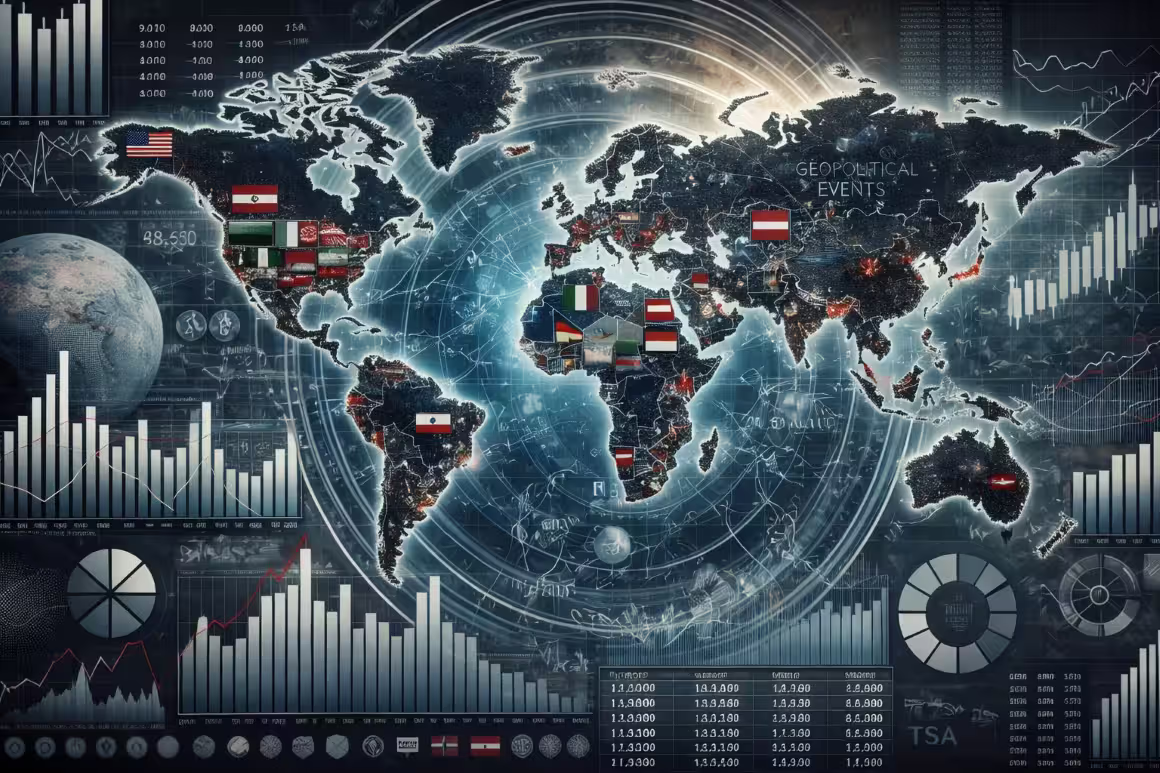
Geopolitical events are occurrences that arise from political or economic actions on a global scale, including wars, elections, trade agreements, economic sanctions, etc. Each event has the potential to affect global markets by altering investor sentiment, commodity prices, and overall economic stability.
Types of Geopolitical Events
- Wars and Conflicts: The 2022 Russia-Ukraine war drastically increased volatility in global markets, particularly in energy sectors, as sanctions and disrupted supplies affected prices and market stability.
- Elections: The U.S. presidential elections usually lead to major market fluctuations as policies and leadership styles change, affecting investor confidence and economic forecasts.
- Trade Agreements and Disputes: The U.S.-China trade war led to tariffs and sanctions that impacted global supply chains, causing major fluctuations in stock and commodity markets.
- Sanctions: Sanctions on Iran have historically affected oil prices and market dynamics in energy-dependent industries.
- Natural Disasters and Pandemics: The COVID-19 pandemic caused unprecedented market disruptions globally, affecting all sectors and leading to widespread economic uncertainty.
Historical Perspective
Geopolitical events have consistently changed the landscape of financial markets throughout history. From wars and economic crises to political upheavals and big policy changes, these events leave a lasting impact on global economic stability and investor behavior. Below are 10 examples that show how these events have influenced financial markets:
- 2008 Financial Crisis: Triggered by the subprime mortgage collapse in the U.S., this crisis caused a global economic downturn, affecting stock markets worldwide and causing widespread financial instability.
- 9/11 Terrorist Attacks (2001): The immediate aftermath saw U.S. stock markets closing for days and, upon reopening, experienced one of the largest single-day drops in history.
- Brexit Referendum (2016): The vote for the UK to leave the EU caused the British pound to plummet and caused long-term economic uncertainty and market volatility.
- Arab Oil Embargo (1973): This event triggered skyrocketing oil prices and a major economic slowdown globally, impacting industries reliant on oil and causing prolonged market instability.
- Greek Financial Crisis (2010): Excessive spending and debt caused Greece’s economic turmoil, which caused austerity measures and protests and affected the EU’s financial markets.
- The Arab Spring (2011): Political upheaval across the Middle East prompted economic instability, disrupting oil supplies and affecting global markets.
- Formation of the European Union (1993): The creation of the EU facilitated economic integration and market stability across Europe, boosting GDP and employment rates.
- Fall of the Berlin Wall (1989): Marking the end of the Cold War, this event opened up trade and investment opportunities in Eastern Europe, positively impacting global markets.
- Suez Crisis (1956): The military and political confrontation involving Egypt, Israel, Britain, and France gave rise to disruptions in the oil supply, affecting global trade routes and markets.
- Cuban Missile Crisis (1962): This Cold War confrontation brought the world to the brink of nuclear war, causing temporary market panic and illustrating the impact of geopolitical tensions on financial stability.
Direct and Indirect Effects on the Options Market

Geopolitical events usually tend to have a profound impact on the options market, influencing it both directly and indirectly. Comprehending these effects helps traders better negotiate and master the complexities of financial markets during periods of global uncertainty.
Market Volatility
Geopolitical events frequently trigger spikes in market volatility, showing the uncertainty and risk that is perceived by investors. These events cause rapid changes in asset prices, affecting options premiums and trading strategies.
Past Events That Drove Volatility
- 2019 Aramco Drone Attack: The drone strike on Saudi Arabia’s Aramco oil facilities caused a dramatic single-day increase in oil prices, resulting in heightened market volatility as investors reacted to the sudden supply disruption.
- The Killing of Qasem Soleimani (2020): The targeted killing of Iranian Major General Qasem Soleimani by a U.S. drone strike led to serious market panic and increased volatility as fears of escalating conflict in the Middle East surged.
- North Korea Missile Launches: North Korea’s missile tests and nuclear threats have repeatedly caused spikes in market volatility, particularly affecting South Korean markets and global investor sentiment.
- 2014 Crimean Crisis: Russia’s annexation of Crimea prompted sharp increases in market volatility as investors responded to the geopolitical uncertainty and potential for broader conflict.
- US-China Trade War: The trade disputes between the United States and China triggered big market fluctuations, with tariffs and retaliatory measures causing uncertainty and volatility across global markets.
Investor Sentiment
Geopolitical uncertainty profoundly impacts investor confidence and behavior—during periods of crisis, investors usually look for safer assets, causing shifts in market dynamics.
- Flight to Safety: Investors tend to move their funds into safer assets like gold, government bonds, and stable currencies during geopolitical turmoil. This behavior impacts the options market by increasing the demand for hedging strategies.
- Reduced Risk Appetite: Uncertainty can cause a decrease in the willingness to take on risk, leading to lower trading volumes in riskier assets and higher premiums for protective options.
Economic Indicators
Geopolitical events also influence economic indicators like interest rates, inflation, and GDP growth, which in turn affect the options market.
- Interest Rates: Central banks may adjust interest rates to stabilize the economy in response to geopolitical events. For instance, rate cuts or hikes can influence options pricing by affecting the underlying asset’s value and the cost of carry.
- Inflation: Events like wars or trade disputes can disrupt supply chains and increase commodity prices, leading to inflation. This impacts the options market by altering future price movements and volatility expectations.
- GDP Growth: Major geopolitical events can slow economic growth, prompting changes in corporate earnings forecasts and market sentiment, which are reflected in options pricing and strategies.
By examining these factors, traders can better understand how geopolitical events shape the options market and adjust their strategies accordingly!
Impact on Different Asset Classes
The impact on different asset classes is directly tied to geopolitical events—because they disrupt financial markets, they affect them in specific ways. Each class responds differently to these events, making it a must for investors to understand these dynamics for better portfolio management.
Equities
Stock options react quickly to geopolitical events due to increased market volatility and sudden shifts in investor sentiment. In the Cold War era, for example, particularly during the Cuban Missile Crisis in 1962, there was marked market uncertainty and declines. The 9/11 attacks in 2001 also caused an immediate and dramatic drop in global stock markets as the world grappled with the impact of terrorism.
Sector-Specific Impacts
Certain sectors are more vulnerable to geopolitical upheavals than others, such as the following:
- Defense: This sector often sees gains during geopolitical tensions due to increased government spending. Post-9/11, for instance, there was a notable rise in defense budgets, which boosted defense stocks.
- Energy: Events in oil-producing regions can lead to sharp price fluctuations. The 2019 drone attack on Saudi Aramco’s facilities and the Arab Spring in 2011 are examples where instability triggered volatility in oil prices.
- Technology: Trade wars, like those between the US and China, can disrupt supply chains and negatively impact technology stocks.
Commodities
Geopolitical events influence commodity options, particularly oil and precious metals. However, other commodities like agricultural products and industrial metals are also affected:
- Oil: The 2019 attack on Saudi Arabia’s oil infrastructure caused a sharp rise in oil prices due to fears of supply disruptions.
- Gold: Prices often increase during geopolitical turmoil as investors seek safe-haven assets. For example, during the Ukraine crisis in 2022, gold prices surged as investors sought stability amidst uncertainty.
- Agricultural Commodities: Political instability in key producing regions can disrupt supply chains, leading to price increases. The Arab Spring, for instance, affected the supply of wheat and other staples from the Middle East and North Africa.
- Industrial Metals: Geopolitical tensions can affect the supply and prices of industrial metals like copper and aluminum. Trade disputes like the US-China trade war have led to tariffs and supply chain disruptions impacting these metals.
Currencies
Currency options and the forex market are highly sensitive to geopolitical developments. Political or economic instability typically tends to equal currency devaluation:
- Safe-Haven Currencies: During geopolitical turmoil, currencies like the US dollar and Swiss franc tend to strengthen as investors seek stability. The Swiss franc, for example, appreciated appreciably during the Eurozone crisis as investors sought a safe haven.
- Emerging Market Currencies: Emerging market currencies often weaken during geopolitical crises due to increased risk aversion. For instance, the Turkish lira and the Argentine peso have seen sharp declines during periods of political instability and economic sanctions.
- Currency Pairs: Geopolitical events can cause remarkable movements in currency pairs. The Brexit vote led to a dramatic drop in the GBP/USD pair as investors reacted to the uncertainty surrounding the UK’s exit from the EU.
Bonds
These events also influence bond markets, especially via their impact on interest rates. Investors tend to move towards government bonds during times of uncertainty, considering them safer investments:
- Government Bonds: These are often seen as safe havens during geopolitical crises, leading to lower yields due to increased demand. For example, US Treasury bonds saw increased demand during the 2008 financial crisis and the Eurozone debt crisis, leading to lower yields.
- Corporate Bonds: Geopolitical uncertainty can lead to higher yields on corporate bonds as investors demand a risk premium. During the Russia-Ukraine conflict, yields on Russian corporate bonds spiked due to heightened risk perceptions.
- Emerging Market Bonds: These are particularly sensitive to geopolitical risks. Countries facing political instability or sanctions often see higher yields on their bonds as investors seek compensation for the increased risk. For instance, Venezuelan bonds have experienced extremely high yields due to ongoing political and economic turmoil.
Strategies for Trading Options During Geopolitical Uncertainty
Market disruptions caused by political and economic upheavals can create both challenges and opportunities for traders. Developing solid strategies is really important to navigate these periods in a successful way.
Hedging Strategies
- Protective Puts: Using protective puts involves purchasing put options on assets you already own. This strategy acts as an insurance policy against potential downturns. For example, if you hold stocks that might be affected by geopolitical events, buying put options on these stocks can limit your losses if the market drops.
- Covered Calls: This strategy involves holding a long position in an asset while selling call options on the same asset. The income generated from selling the call options can offset potential losses from the underlying asset, providing a form of protection while generating additional income.
Volatility Strategies
- Straddles and Strangles: These strategies profit from increased volatility without needing to predict the market direction. A straddle involves buying both a call and a put option at the same strike price and expiration date. A strangle is similar but involves buying a call and a put option at different strike prices. These strategies are effective when expecting sizable price swings due to geopolitical events.
- Volatility Index Options: Trading instruments like the VIX (Volatility Index) options can hedge against or profit from market volatility. The VIX measures market expectations of near-term volatility conveyed by S&P 500 stock index option prices. During periods of geopolitical uncertainty, VIX options often see increased activity and can be used to protect portfolios against market swings.
Directional Bets
- Event-Driven Trades: This strategy involves speculating on specific outcomes of geopolitical events. For instance, if there is a high probability of a consequential political announcement or conflict resolution, traders might take positions that benefit from the expected market reaction. This requires thorough research and understanding of the geopolitical landscape to anticipate how markets might respond.
- Contrarian Strategies: Contrarian strategies involve taking positions against prevailing market sentiment. During times of geopolitical uncertainty, markets often overreact, creating opportunities for contrarian traders. For example, if the market has heavily sold off due to fear and uncertainty, a contrarian might take a long position, betting on a market rebound once the panic subsides.
Risk Management and Staying Educated
- Risk Management: Good risk management includes position sizing, setting stop-loss orders, and maintaining a diversified portfolio. Leveraging cautiously and continuously monitoring positions guarantees adaptability to changing market conditions.
- Stay Updated: Access to real-time news and reliable research sources is critical. Economic calendars marking notable geopolitical events help traders anticipate market movements and adjust their strategies accordingly.
Technical and Fundamental Analysis
- Technical Analysis: Focuses on price movements and patterns, using tools like moving averages and RSI. This helps predict short-term price changes based on historical data.
- Fundamental Analysis: Examines underlying economic indicators, corporate earnings, and geopolitical news. This approach helps understand the broader market forces at play and make educated decisions based on these factors.
Traders often combine these strategies to build a better approach to geopolitical uncertainty. For instance, a trader might use protective puts to hedge against potential losses while employing event-driven trades to capitalize on expected market movements. By diversifying strategies, traders can balance risk and opportunity better!
Real-World Impacts: Analyzing Geopolitical Events on Options Markets

Major global events always send waves through financial markets, creating distinct challenges—and opportunities! The options market, known for its sensitivity to volatility and uncertainty, is particularly influenced by these kinds of events. Below, we examine how Brexit, the U.S.-China trade war, conflicts in the Middle East, and major elections have impacted options trading and look at traders’ strategies in response.
Brexit
Brexit introduced considerable uncertainty and volatility into the financial markets. The prolonged negotiations and uncertain outcomes strikingly affected the British pound and UK equities. Traders had to contend with potential trade and financial services disruptions between the UK and the EU.
Strategies Used by Traders
- Hedging with Protective Puts: Protective puts on UK equities provided a safety net against potential declines in stock prices due to Brexit-related uncertainties.
- Currency Options: The heightened volatility of the British pound led traders to use currency options to hedge against or speculate on its movements.
- Event-Driven Trades: Traders closely monitored Brexit negotiations, adjusting their positions based on anticipated outcomes from key discussions and votes.
U.S.-China Trade War
The trade tensions between the US and China created huge market volatility. Sectors such as technology and agriculture were particularly affected by tariffs and retaliatory measures, leading to fluctuating market conditions.
Strategies Used by Traders
- Straddles and Strangles: These strategies allowed traders to benefit from large price swings without needing to predict the market direction, capitalizing on the high volatility caused by trade tensions.
- Sector-Specific Hedging: Options on technology and agricultural stocks were used to mitigate risks specific to these sectors due to tariffs.
- Volatility Index Options: Instruments like the VIX options were utilized to hedge against the increased market volatility driven by the trade war.
Middle East Conflicts
Conflicts in the Middle East, like the tensions involving Iran and the Syrian civil war, have markedly impacted oil prices and related markets. These conflicts often raise concerns about oil supply disruptions, leading to spikes in oil prices.
Strategies Used by Traders
- Oil Options: Traders used options on oil futures to hedge against or speculate on price movements due to potential supply disruptions.
- Safe-Haven Investments: Options on gold and other precious metals served as a hedge against broader market instability triggered by Middle Eastern conflicts.
- Event-Driven Trades: Close monitoring of geopolitical developments allowed traders to adjust their positions in anticipation of further conflicts or resolutions.
Elections
Major elections, such as US Presidential elections, usually lead to increased market volatility due to policy changes and political uncertainty. These fluctuations can seriously impact various asset classes.
Strategies Used by Traders
- Protective Puts and Calls: Traders used protective puts and calls on key indices and stocks to manage risk during election periods.
- Volatility Index Options: VIX options became popular for hedging against the expected rise in market volatility during elections.
- Directional Bets: Based on polling data and expected policy outcomes, traders made directional bets on sectors likely to be impacted by election results, including healthcare and energy stocks.
Tools and Resources for Staying Informed
Staying updated on geopolitical events and their impacts on financial markets is super important for traders! But don’t worry; there are a ton of reliable news sources, economic calendars, and analytical tools that will improve your trading strategies and decision-making.
News Sources
Below are the top 10 news sources and financial news websites that give comprehensive coverage of geopolitical updates:
- Financial Times (FT): Offers in-depth analysis and updates on global geopolitical events, politics, and international relations.
- Foreign Affairs Magazine: Provides expert insights and debates on foreign policy and international affairs.
- Stratfor: A leading geopolitical intelligence and analysis platform offering forecasts and situation reports.
- Morning Consult Pro: Uses survey data to provide insights on political and geopolitical trends, including leader approval ratings and policy developments.
- Geopolitical Monitor: Covers political, economic, and military issues, with a focus on geopolitical analysis and forecasting.
- Ground News: Aggregates news from a host of different sources for comparisons of headlines and perspectives.
- Reuters: Known for its unbiased reporting, covering global news, including important geopolitical events.
- Bloomberg: Offers extensive coverage of financial markets and geopolitical developments affecting them.
- BBC News: Provides reliable updates on global events, including political and economic changes.
- The Economist: Analyzes global political and economic trends, offering insights into how they impact markets.
Economic Calendars
Economic calendars are necessary tools for tracking scheduled events that can influence the markets. These calendars list important economic indicators, policy announcements, and other consequential events that might impact financial markets.
Importance of Tracking Economic Calendars
- Anticipating Market Movements: Knowing when key economic reports are released helps traders anticipate potential market volatility.
- Planning Trades: Traders can plan their strategies around these events to capitalize on expected market movements or to protect their positions from adverse impacts.
- Understanding Market Sentiment: Economic calendars assist in gauging the market sentiment and the possible direction of the market based on upcoming events.
Analytical Tools
Using available analytical tools and platforms can be a huge help in analyzing market data and understanding geopolitical impacts. We recommend the following tools:
- Bloomberg Terminal: Provides real-time data, news, and analytics, offering acumen into market movements and geopolitical events.
- Thomson Reuters Eikon: Similar to Bloomberg, it gives comprehensive market data and analysis tools.
- TradingView: Offers advanced charting tools and a large community of traders sharing ideas and wisdom.
- MetaTrader 5: Popular trading platforms with a range of analytical tools and indicators.
- FactSet: Provides financial data and analytics to help traders make informed decisions.
- Morningstar: Offers data and analysis on stocks, ETFs, mutual funds, and other investment vehicles.
- Sentieo: A financial research platform that combines data, news, and analysis tools to track market trends and geopolitical developments.
- QuantConnect: An open-source algorithmic trading platform that allows traders to backtest and deploy trading strategies.
- YCharts: Provides financial data and analytical tools to help traders analyze market trends and economic indicators.
- Capital IQ: Offers comprehensive data and analysis tools for understanding market dynamics and economic impacts.
By leveraging the above tools and resources, traders can stay in the know about recent geopolitical events, track economic indicators, and analyze market data much more effectively!
Final Thoughts: Navigating Options Trading in a Geopolitical World
See how geopolitical events like Brexit, the US-China trade war, Middle East conflicts, and major elections can totally shake up the options market? If you know the different strategies traders use, like protective puts and event-driven trades, you too can deal with the uncertainty and ups and downs that these events cause!
Staying up to date about all geopolitical events and what impact they could have on the options market is a prerequisite for managing risk and capitalizing on opportunities. Look below for tips on how you can stay in the know and the best steps to follow:
- Stay Updated: Regularly follow reliable news sources like the Financial Times, Stratfor, and Bloomberg to stay current with geopolitical developments.
- Use Economic Calendars: To anticipate market movements, track scheduled events using economic calendars from websites like Investing.com or Forex Factory.
- Employ Hedging Strategies: Use protective puts and covered calls to safeguard your investments against potential downturns caused by geopolitical uncertainties.
- Leverage Volatility: Implement strategies like straddles and strangles to benefit from market volatility without needing to predict the market direction.
- Diversify: Spread your investments across different asset classes to lessen exposure to any single market risk.
- Analyze Data: Use analytical tools like Bloomberg Terminal, TradingView, and FactSet to assess market data and make well-informed decisions.
We’d love to hear from you about your experiences and strategies for trading options during geopolitical events, so please share them with us in the comments! Your knowledge and wisdom could help your fellow traders negotiate uncertain times when they happen.