
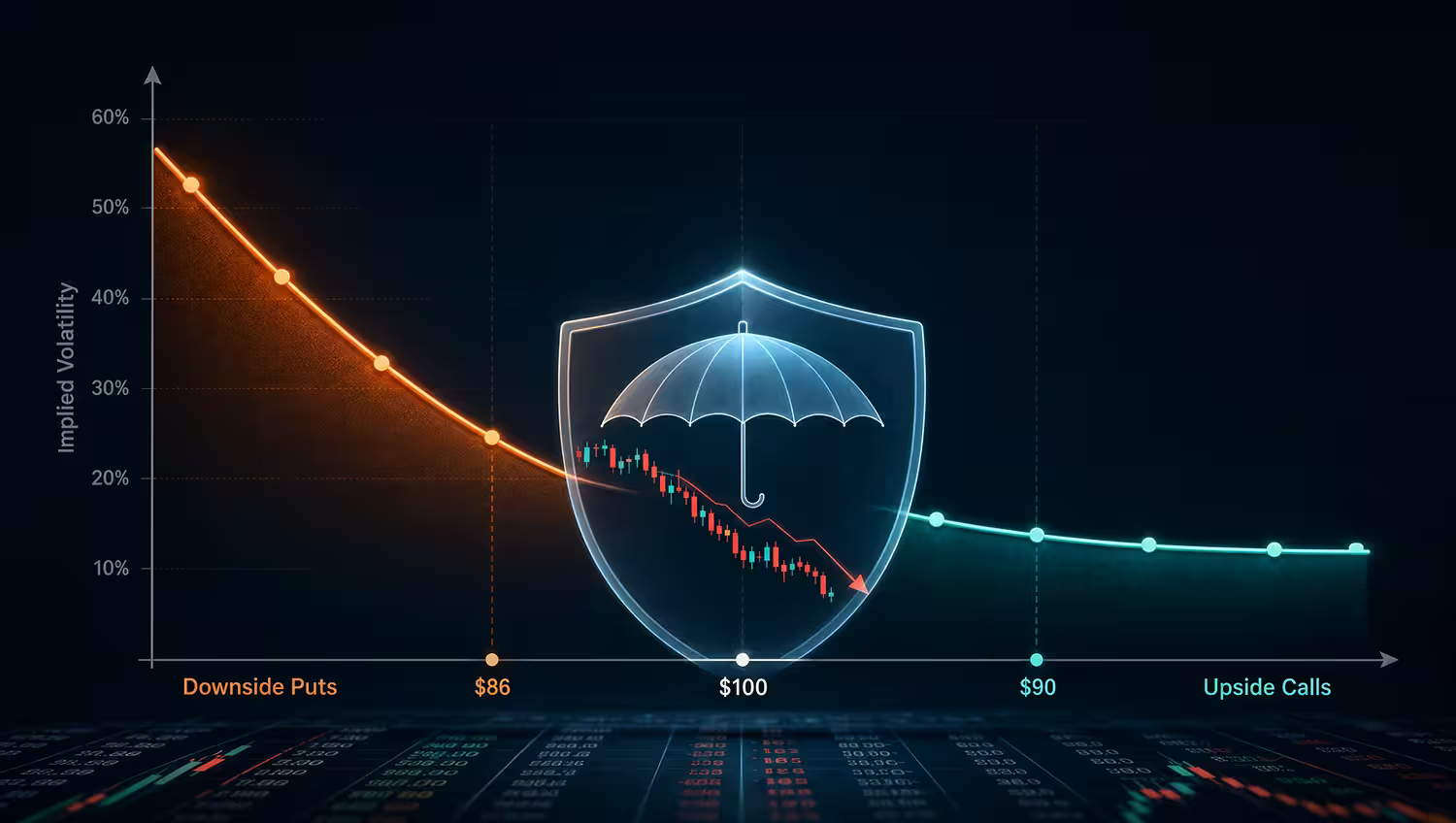
Portfolio protection often looks simple until the option chain is opened. A trader may want downside insurance, but the puts that offer the cleanest protection can already carry a premium for fear.
Put skew is one reason the hedge can feel more expensive than the stock risk first suggests. The market may price downside puts at higher implied volatility than comparable upside calls because investors often demand protection when losses would hurt most.
The useful question is not whether protection is good or bad. It is whether the premium, strike, expiration, breakeven, implied volatility, delta, time decay, bid-ask spread, and exit plan still make the hedge worth its cost. For an authoritative risk reference, review the OCC options disclosure document.
Put Skew In Plain English
Put skew means downside put options may trade with higher implied volatility than options that are the same distance above the current stock price. In practical terms, the market is charging more for downside protection than a simple symmetric price chart might imply. For additional authoritative context, see the OIC overview of the option Greeks.
That does not mean the put is wrong to buy. It means the buyer should separate the portfolio hedge objective from the option price. A useful hedge can still be expensive, and an expensive hedge can still be justified if the risk being reduced is large enough.
Quick Takeaways
- Put skew can make downside protection cost more than a trader expects from the stock chart alone.
- A protective put should be judged by hedge value, premium, strike, expiration, and breakeven, not only by fear of a decline.
- Higher implied volatility in downside puts can create a larger hurdle before the hedge feels worthwhile.
- Time decay and bid-ask spreads still matter even when the trade is meant as protection.
- Collars, smaller hedge sizes, wider strikes, or no hedge may all deserve comparison before buying the obvious put.
Why The Put Can Cost More Than The Hedge Looks Worth
A portfolio hedge is usually bought when the investor worries about a decline. That timing matters. If many traders want protection at the same time, downside puts can become expensive before the feared move actually happens.
The cost shows up through implied volatility. A put with elevated implied volatility embeds a larger expected move or stronger demand for protection. The contract may need a bigger, faster stock decline before the hedge produces enough value to offset the premium paid.
This is different from saying the hedge is useless. A protective put can define downside risk for a period of time, which may be valuable for an investor who cannot tolerate a large drawdown. The issue is whether the defined-risk benefit is worth the premium and the decay.
Readers who need the underlying concept can start with the site guide to protective puts and the broader explanation of implied volatility before comparing live contracts.
Skew Versus Simple Directional Risk
A stock-risk view and an option-price view can point in different directions. This table keeps the two ideas separate.
Reader Question | Stock-Risk View | Option-Price View |
|---|---|---|
How much protection is needed? | The investor identifies the drawdown they want to reduce. | The put strike and premium decide how much of that risk is actually transferred. |
Why is the put expensive? | The stock may have visible downside risk or event uncertainty. | Skew may mean the downside put carries higher implied volatility than a simple distance-from-price comparison suggests. |
What is the hurdle? | The hedge should help if the portfolio falls enough. | The position still has to overcome premium, bid-ask spread, time decay, and timing. |
What is the alternative? | The investor can reduce exposure, diversify, or accept the risk. | The option alternatives may include a collar, put spread, different expiration, or smaller hedge size. |
A Simple Protection Cost Example
The numbers below are intentionally simplified. They show how a hedge can define risk while still requiring a meaningful decline before it offsets its own cost.
Input | Example Reading | Why It Matters |
|---|---|---|
Stock or ETF price | Shares trade near $100. | The investor is worried about a short-term drawdown. |
Put choice | A three-month $90 put costs $4. | The hedge begins below $90, but the premium is paid immediately. |
Simplified breakeven | $86 at expiration before costs. | The position needs a sizable decline before the put is profitable on its own. |
Implied volatility | The downside put has higher IV than nearby upside calls. | Skew can mean the trader is paying extra for protection demand. |
Execution | The bid-ask spread is wider during stress. | A hedge should be judged using realistic exit prices, not just midpoint quotes. |
Where Portfolio Hedges Get Misread
- Treating a protective put as cheap because the strike is far below the stock price.
- Ignoring that higher implied volatility can make downside protection expensive before the decline.
- Forgetting that time decay reduces hedge value if the feared move does not arrive quickly enough.
- Comparing put premium without considering delta, expiration, liquidity, and bid-ask spread.
- Buying protection after volatility has already expanded without asking what would make the hedge worth the cost.
Alternatives To The Obvious Put
The most obvious hedge is not always the most efficient hedge. A trader might compare a lower-cost put spread, a collar that sells a call to help fund the put, a smaller hedge size, or a simple reduction in the underlying position.
Each alternative changes the trade-off. A put spread lowers cost but caps the hedge benefit below the lower strike. A collar can reduce net premium but gives up some upside. Selling part of the position avoids option decay but changes market exposure immediately.
The point is to make the hedge compete against alternatives. Put skew is a prompt to ask whether the trader is paying for useful protection, paying for emotional comfort, or paying a crowded price after many others have already demanded the same insurance.
Portfolio Protection Cost Review
- Define the loss range the hedge is supposed to reduce before choosing the strike.
- Compare the put premium with the protected position size and the simplified breakeven.
- Review implied volatility and whether downside skew is making the put unusually expensive.
- Check delta, expiration, time decay, liquidity, and bid-ask spread before using the contract as protection.
- Compare the put with a put spread, collar, position reduction, or no hedge.
- Write down what would make the hedge successful even if the put itself expires worthless.
- Keep the analysis educational; it is not personalized financial advice or a recommendation.
FAQ
These questions focus on reading put skew as a hedge-cost issue rather than a trading signal.
Does put skew mean a market decline is coming?
No. Put skew can show that downside protection is priced differently, but it does not predict a decline by itself. It is context for hedge cost and demand.
Can an expensive put still be worth buying?
Yes, if the investor values defined downside risk enough to justify the premium. The key is to compare the cost with the risk being reduced and the alternatives available.
Why not always use a collar instead?
A collar can reduce or offset put premium, but the short call caps upside and can introduce assignment considerations. It is a different trade-off, not a free hedge.
What should be checked first?
Start with the hedge objective, then review strike, expiration, premium, simplified breakeven, implied volatility, delta, time decay, bid-ask spread, and liquidity.
Make The Hedge Prove Its Cost
Put skew does not make protection bad. It makes the price of protection visible. That is useful because a hedge should be judged by what it reduces, what it costs, and what alternatives would accomplish the same job.
For an options trader, the cleaner habit is to separate fear from pricing. The portfolio may deserve protection, but the contract still has to survive premium, time decay, implied volatility, delta, execution, and exit constraints.
A thoughtful hedge review can end with buying the put, choosing a different structure, reducing exposure, or doing nothing. The stronger decision is the one where the cost, risk reduction, and trade-offs are clear before the order is placed.
Sources For Options Risk Context
Protective-option mechanics and standardized option risks can be checked against FINRA options education, the Options Industry Council education site, and the OCC options disclosure document. Any live skew, implied-volatility, premium, bid-ask spread, or expiration example should show an as-of date and be checked against current option-chain data.