
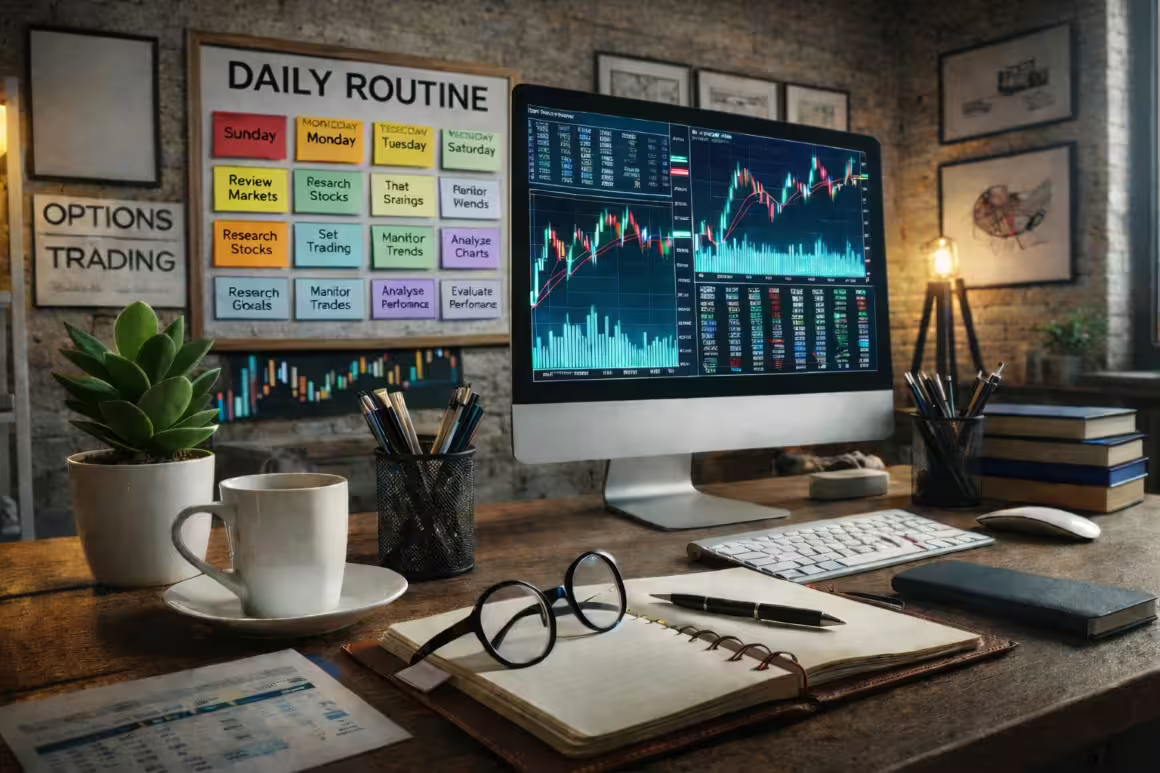
Have you ever wondered why some options traders seem to always hit the mark while others flail helplessly adrift in the stock market ether? We have, too! We’ll let you in on a little secret—most successful traders all have one thing in common: a solid, structured daily routine. Okay, it’s not really a secret, but you may not be aware that it plays a pretty big part in setting yourself up for success in this field.
That’s why we are gonna walk you through the main components of a daily routine that can elevate your options trading to a whole ‘nother level. We’ll go over everything from getting prepped before the opening market bell dings to post-market reviews. By the end, you’ll get how a disciplined approach can turn into better trading outcomes!
Our goal is an easy one: to give our readers a practical guide to creating a daily routine that boosts their trading performance! Whether you’re new to option trading and are interested in learning what it is and what it entails or are a more experienced trader who wants to refine your approach a bit, our guide is for you! We want to set you up for success in options trading, so let’s see how to get it done.
The Importance of a Daily Routine in Options Trading
Having a daily routine is a fundamental part of life for most people, and having one for options trading can help you succeed more! Yes, it sounds basic, but having a structured plan can really impact your trading outcomes. Why? Keep trading to find out!
Consistency and Discipline
A daily routine brings consistency and discipline to your trading activities—when you stick to a routine, your actions become automatic and less influenced by emotions. This lessens the urge to make impulsive decisions that could amount to losses. Start out your day with a set pattern: review overnight market trends, check economic news, and analyze pre-market indicators. This kind of consistency gets you in a good mindset (organized and focused), decreasing the risk of missing critical info or reacting emotionally to market fluctuations!
Preparation and Readiness
Being well-prepped is another great way to improve your daily routine. If you dedicate specific time to market analysis, news review, and setting up your trading platform, you’ll be ready to face the trading day! This kind of prep involves creating a watchlist of possible trades, setting entry and exit points, and establishing a risk management plan. By the time the market opens, you have a solid plan and strategy, making your trading decisions more deliberate and less rushed.
Stress Management
A structured routine can also do wonders in managing stress, and trading can be super stressful—especially during volatile market conditions! Having a predictable routine provides a sense of stability and control. Starting your day with things that promote a clear mind, like meditation or exercise, will help you remain calm and focused. Regularly reviewing and adjusting your trading goals and strategies also keeps you grounded and in line with your long-term objectives.
Pre-Market Preparation

A well-structured pre-market routine can make a big difference in your trading performance. It allows you to gather the necessary info, analyze market conditions, and mentally get in the zone for the day. Not sure how to get started on a daily routine? No worries, we’ve got you! Below is a simple guide to get you ready before the market opens:
Wake Up Early
The early bird gets the worm, and starting the day early is important for traders. It gives you ample time to conduct thorough research and analysis so you don’t feel rushed. Early risers can take advantage of the quiet hours before the market opens to prepare for the day ahead. This period is important for getting the overnight news and market movements without the pressure of having to make immediate trading decisions.
Morning Routine
A positive and calm start to your day will def improve your trading performance, so do things that boost mental and physical well-being, like the following:
- Light Exercise: A quick workout, like a jog or brisk walk or a yoga sesh, will elevate your energy levels and improve your mood by getting those good endorphins flowing! Exercise is a great stress reducer and increases focus, which are both needed for making clear-headed decisions.
- Meditation: Spend a few minutes meditating to zen out and decrease any anxiety—meditation can get you into a calmer and more focused mindset for the trading day ahead.
- Reading: Catch up on all relevant financial news or read motivational material to set a positive tone.
News and Market Updates
Being informed about global markets, economic indicators, and any other relevant news is a must for making the smartest trading decisions! Here are the best resources available:
- Global Markets: Check the performance of international markets as they influence U.S. market movements. Pay attention to major indices such as the Nikkei, FTSE, and DAX.
- Economic Indicators: Go over economic reports and indicators, like GDP growth, unemployment rates, and inflation data. These reports give you an accurate understanding of the general economic environment and potential market trends.
- Geopolitical Events: Monitor geopolitical news that could impact market sentiment. Events like elections, trade negotiations, and political instability tend to create volatility in the markets.
The most reliable sources for market news and updates are the following:
- Bloomberg: Offers comprehensive financial news and analysis.
- Reuters: Provides global news coverage and market insights.
- The Wall Street Journal: Covers a wide range of financial and economic topics.
- Financial Times: Offers in-depth analysis of global financial markets.
Review Overnight Moves
Analyzing the overnight futures and global markets will help you get a better sense of market sentiment and possible trends for the day. Focus on key indicators like the S&P 500, Nasdaq 100, and Russell 2000–knowing how they performed overnight will give you clues about the market direction and any volatility.
- Futures Market: Check the highs and lows printed by major futures indices during the overnight session. These levels can act as support and resistance during U.S. market hours.
- Global Markets: Review the performance of international markets to understand their impact on the U.S. market. Major movements in Asia and Europe can be early indicators of market sentiment.
Make a Trading Plan
A well-defined trading plan is imperative for disciplined and strategic trading! Here’s how you can make one:
- Set Goals: Define your daily goals and objectives. Whether aiming for a specific profit target or focusing on risk management, clear goals guide your trading decisions.
- Review Strategies: Look over your planned strategies and setups—make sure you are familiar with the entry and exit points for your trades. This preparation helps you execute trades successfully.
Identify Key Levels
Marking support and resistance levels on your charts is also needed to identify potential entry and exit points!
- Technical Analysis: Use tools like trend lines, moving averages, and Fibonacci retracements to identify key levels. These levels give really valuable info into market behavior and help you make smart trading decisions.
- Historical Data: Review historical price data to identify patterns and key levels that have acted as support or resistance in the past. This analysis can give you context for the current market conditions.
Create a Watchlist
A well-curated watchlist means you can focus on a few key assets rather than being overloaded by too many choices, so create one by following these steps:
- Identify Potential Trades: Scan the market for stocks or options that meet your trading criteria. Look for assets with strong technical setups or notable news catalysts.
- Narrow Your Focus: Focus on a manageable number of assets to monitor throughout the day—it helps you remain organized and see any opportunities more easily.
During Market Hours
Once the market is finally open for biz, keeping your eye on the ball (i.e., keeping discipline and focus levels up) is the best way to have a good trading day. Want to make the most out of these hours? Here’s how to do so.
Stick to Your Plan
Your trading plan is your roadmap—you made it based on careful analysis, so trust in it! Don’t give in to the temptation to make rash decisions when the market does start moving. Whether it’s your set entry and exit points or specific strategies, sticking to your plan keeps your actions steady and grounded in logic!
Monitor the Market
Keep a watchful eye on market conditions to verify that they line up with your strategy. Regularly check price movements, trading volume, and any news that could affect your trades. Staying up to date means you can adapt quickly to changes and take advantage of opportunities as they come up.
Keep a Trading Journal
- Record Trades: Document each trade, including reasons and outcomes. This habit tracks your progress, and you can learn from previous actions.
- Analyze Performance: Review your trades regularly to see what worked and what didn’t. This analysis will allow you to refine your approach and make better decisions in the future.
Manage Positions
Use stop-loss and take-profit orders to protect your investments and manage positions—these are tools that help manage risk and guarantee that your trading account stays stable even during market volatility.
Key Position Management Techniques
- Use Stop-Loss Orders: Set a predetermined price at which your trade will automatically close to prevent excessive losses.
- Take-Profit Orders: Automatically close a trade when it reaches a certain profit level.
- Regular Reviews: Continuously monitor and adjust your positions as needed based on the market conditions.
Stay Focused
Keeping your concentration during trading hours can impact your performance, so here are some simple tips to help you stay in the market zone:
- Set Up a Dedicated Workspace: Have a quiet, organized space to trade, free from any distractions.
- Limit External Interruptions: Turn off non-essential notifications and don’t multitask. Concentrating only on trading will help you make better decisions.
- Mindfulness Techniques: Practices like deep breathing or quick mindfulness exercises can help keep your mind sharp and decrease stress during trading.
- Use Productivity Tools: Apps like Google’s Trade Time will remind you to pause.
Breaks and Self-Care
Taking breaks, even quick ones, is super important to avoid burnout and stay on your toes throughout the trading day. Constant monitoring without breaks could result in fatigue and poor decision-making. Here’s how to take breaks without breaking your trading stride:
- Scheduled Breaks: Plan regular, short breaks during your trading day. Use this time to step away from your screen, stretch, and shake out the cobwebs. Set timers so you don’t forget!
- Physical Activity: Light exercises or a quick walk can up your energy levels and improve your concentration.
- Hydration and Nutrition: Stay hydrated and eat some snacks to keep up your energy and concentration levels!
Post-Market Routine

Just because the market has closed doesn’t mean that you’re finished! Ending your trading day with a solid post-market routine is important, too. This is the time to go over your trades, look at what went right or wrong, and put a plan in place for the next day!
Review the Day
After the market closes, the first step is to review all of the day’s activities. Take a close look at all your trades and the overall market movements. This isn’t just about numbers; it’s about understanding your decisions. Did you stick to your plan? Were there unexpected market shifts that influenced your trades? Mulling over these aspects helps you learn and grow as a trader!
Spend some time analyzing which trades went according to your plan and which did not. For the trades that didn’t go as planned, try to understand why—was it because of the market conditions, or did you make an error in your analysis? This kind of consideration is really invaluable for improving your trading skills.
Update Your Trading Journal
Your trading journal is your very own personal diary for your trades, so be sure to enter all of the day’s trades with detailed notes. Include the reasons behind every trade, the entry and exit points, and what the outcomes were. A detailed record doesn’t only track your performance; it also reveals patterns that you can learn from.
As an example, if you notice that trades made during a specific market condition tend to perform better, you can use that info to hone your strategies. Over time, your trading journal becomes a powerful tool for self-improvement.
Evaluate Performance
Now, let’s break down your performance for the day. Start with the pros:
- What Went Well: Pick out the trades that were successful. What made them work? Was it a particular strategy or a specific market condition? Understanding the factors behind your successful trades helps bolster good practices.
- Areas for Improvement: In the con column, look at the trades that didn’t go as you thought they would. What went wrong? Did you deviate from your plan, or was there an external factor that you didn’t think about? Noting these areas for improvement is a great way to steer clear of any similar mistakes in the future.
Plan for Tomorrow
With your day done and dusted after your review and your journal update, it’s time to get ready for tomorrow’s trades, so update your watchlists. Based on your analysis, which stocks or options should be on your radar for the next day? Adjust your strategies if you need to so they match up with the current market conditions.
Having a clear and structured plan for the next day gets you started on the right foot. Define your entry, exit, and stop-loss levels for the stocks you plan to watch. This prep not only saves time in the morning but also makes sure that you’re ready to pounce when the market opens!
Education and Development
The learning never stops in trading—put some time aside each day for a little self-education. This could be reading financial news, taking part in webinars, or even taking a relevant online course. The goal is to keep improving your trading skills and stay updated with market trends and new strategies.
You can also develop your skills by interacting with the trading community on forums or social media! There’s always room for new perspectives and info that you might not find on your own.
Building Long-Term Habits
Turning your daily trading routines into lasting habits is the best way to reach success in the trading world! Of course, getting the right trades is important but building a lifestyle that supports continued success is a powerful asset to have in your arsenal. How can you do so in a way that’s both sustainable and rewarding? Keep reading to find out!
Consistency is King
Having a consistent routine is your foundation for long-term success—when you follow a set schedule every day, it gives you the discipline needed and cuts back the chances of making impulsive or emotional decisions. Set up specific times for your pre-market analysis, trading hours, and post-market reviews. Over time, these things will become second nature, meaning you can start every day with a clear and centered frame of mind.
Consistency isn’t only about timing; it also demands that you do not deviate from your trading plan. Even when the market is unpredictable, adhering to your strategies helps you stay disciplined. This reduces the risk of making rash decisions based on market fluctuations. Successful options trading may not happen overnight, but consistent practices lay the groundwork for long-term accomplishments.
Adapt and Adjust
Yes, consistency is a big part of the process, but being adaptable is also important! The market is always changing, so your trading routine should be flexible. Sticking rigidly to a routine could turn out to be counterproductive if market conditions shift in a substantial way.
Adapt your routine based on your experiences and how the market evolves, and if certain methods aren’t working for you anymore, don’t be afraid to tweak them. This could look like revisiting your trading plan or altering your daily schedule to better fit the current market landscape. Regularly reviewing your trades and strategies allows you to polish your approach and make any necessary adjustments. Flexibility keeps you responsive to the always-changing trading environment.
Mental and Physical Health
You can be an options trading savant, but if it comes at the cost of your mental and physical well-being, is it worth it? Nope! A healthy lifestyle can elevate your decision-making abilities and helps you cope with the stresses that come with trading.
First up? Start with getting enough shut-eye—a well-rested mind is always more alert and capable of processing info faster and accurately. Add regular physical activity to your routine—exercise not only keeps your body in good shape but also decreases stress and improves mental clarity.
Nutrition is also important! A balanced diet fuels your brain and body, supplying you with the energy you need for long trading sessions. Try to stay away from excessive caffeine (aka Monster energy drinks and triple espressos) and processed junk food, which usually causes energy crashes and scattered concentration.
Pay attention to your mental health, too! Do the things that help you relax, like meditation, yoga, or anything else you enjoy. Managing stress staves off burnout and keeps your mind sharp as a tack. Trading can be emotionally taxing, and maintaining mental health is super important to be focused and resilient.
Community and Networking
Engaging with other traders can provide solid support, not to mention tons of learning opportunities. Building a network of like-minded people means you can swap tips, brainstorm strategies, and get different perspectives on the market.
Join trading forums, social media groups, or local meetups to connect with other traders, hit up webinars, and take online courses where you can interact with both your peers and the experts. Networking helps you stay updated with the latest trends and strategies, and you can learn from the experiences of others.
Trading (pun intended) your experiences and talking about challenges with others can also give you great emotional support. Trading can sometimes be isolating, and having a community can make it less lonely and more fun.
Making Long-Term Habits Stick
Developing long-term habits takes commitment and perseverance, so here are tips to help you integrate these practices into your everyday life:
- Set Clear Goals: Define what you want to achieve with your trading. Having clear, achievable goals keeps you motivated and focused.
- Track Your Progress: Regularly review your performance to see how well you’re sticking to your routine and achieving your goals. This helps you stay accountable and make any necessary changes.
- Stay Motivated: Keep reminding yourself of why you started trading and what you hope to achieve.
- Be Patient: Building habits takes time. Be patient with yourself and stay committed, even if progress seems slow at times.
- Get Support: Don’t be scared to get advice or support from your trading community! Learning from others can give you new perspectives and keep you motivated.
Conclusion
Options trading takes more than just getting permission from your broker and then toggling back and forth between trading platforms on your computer. Sure, you could do that, but would you be successful? Nah. That’s why you need to build a daily routine and stick to it—it’s a whole lifestyle! Be consistent, patient, flexible, and don’t forget about practicing self-care while you’re crunching the numbers and following those crazy looking charts.
Want to take your options trading to a whole new level? You can by building a solid daily routine! It doesn’t matter if you’re a newbie just starting out or an experienced trader who wants a different approach; creating a daily routine can take your trading game to new heights. Do you have any routines that you swear by or advice for other traders? Tell us in the comments below!